Trends and technologies Transforming the Landscape of Aluminum Foundry Operations
The aluminum foundry market is undergoing substantial adjustments as a result of technical advancements. Automation, expert system, and lasting methods go to the forefront of this makeover. These developments assure to improve performance, optimize manufacturing processes, and decrease ecological impact. As these patterns remain to progress, they elevate essential inquiries about the future of aluminum manufacturing and its duty in different sectors. What effects might these modifications hold for the market and its stakeholders?
Advanced Automation in Aluminum Foundries
As the need for high-quality and reliable aluminum products proceeds to increase, several foundries are progressively embracing sophisticated automation innovations. Aluminum Casting. These developments enhance different procedures, enhancing productivity and minimizing labor costs. Robotic systems, for example, are utilized for tasks such as mold and mildew handling, putting, and finishing, making sure consistency and accuracy
Automated quality control systems are also coming to be usual, using sensing units and cams to spot problems in real-time, thereby minimizing waste and revamp. Furthermore, the integration of programmable reasoning controllers (PLCs) permits far better tracking and control of assembly line, helping with quicker changes in reaction to altering demands.
Moreover, using automated guided vehicles (AGVs) maximizes product transportation within the foundry, additional enhancing operational efficiency. Via these innovations, aluminum foundries are not just satisfying market demands but likewise positioning themselves as leaders in sustainable manufacturing techniques.
The Function of Artificial Intelligence in Production Optimization
Advanced automation modern technologies have set the phase for the combination of synthetic knowledge (AI) in aluminum foundries, substantially improving production optimization. AI systems assess large amounts of information generated throughout the manufacturing procedure, supplying insights that cause improved performance and decreased waste. These systems can identify patterns and patterns that human operators might overlook, allowing predictive upkeep and proactive decision-making.
AI formulas optimize casting processes by readjusting specifications in real-time, making sure the greatest high quality outcome while decreasing flaws. The implementation of maker learning in high quality control procedures also improves precision, as AI can promptly evaluate item requirements against established requirements.
Inevitably, the fostering of AI in aluminum foundries not only improves procedures yet also empowers workforce abilities, permitting an extra agile and responsive manufacturing setting. By using these advanced technologies, foundries can accomplish substantial gains in performance and functional quality.
Lasting Practices and Their Impact on Environmental Footprint
How can aluminum foundries efficiently decrease their environmental footprint while preserving performance? One key approach is the adoption of sustainable techniques, that include recycling scrap aluminum to reduce waste and conserve energy. By utilizing closed-loop systems, foundries can considerably lessen their reliance on virgin products, therefore lowering carbon discharges connected with extraction and processing.
Furthermore, carrying out energy-efficient innovations, such as sophisticated melting heating systems and heat recovery systems, can considerably reduce energy consumption. Moving to renewable power sources further boosts sustainability, enabling foundries to operate with a lowered environmental impact.
.jpg)
Smart Production Technologies Enhancing Performance
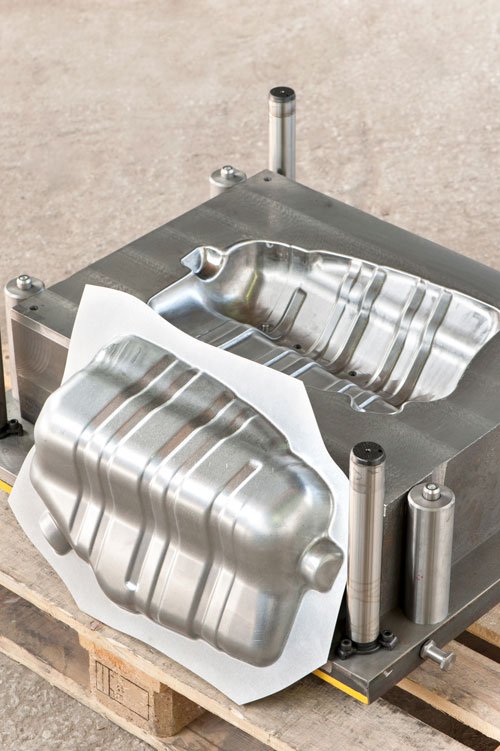
Robotic systems streamline repetitive jobs, making certain regular top quality while releasing human employees to focus on more complex duties. In addition, IoT connection assists in seamless communication throughout the assembly line, improving coordination and responsiveness to market needs. As an outcome, aluminum foundries can accomplish higher throughput and improved quality assurance, placing themselves competitively in a quickly evolving industry landscape. The fostering of these wise technologies indicates a transformative change towards efficiency and technology in foundry procedures.
The Future of Lightweight Aluminum Products in Different Industries
As industries significantly prioritize sustainability and efficiency, the need for lightweight aluminum items is forecasted to grow considerably. This change is specifically noticeable in markets such as automotive, aerospace, and building and construction, where decreasing weight straight adds to boosted fuel performance and lower exhausts. Producers are introducing in aluminum alloys and construction strategies to produce parts that are not only lighter however also more powerful and more long lasting.
The automotive market, for instance, is embracing aluminum to satisfy stringent fuel economic situation standards while preserving safety and performance. Aerospace firms are leveraging light-weight aluminum to improve airplane efficiency. In building, aluminum's convenience allows for ingenious layouts that decrease product use without endangering structural stability.
As innovation advances, including the combination of clever manufacturing and reusing procedures, the future of light-weight aluminum products appears brilliant, encouraging visit this site to sustain a much more lasting and efficient commercial landscape.

Often Asked Inquiries
What Are the Main Challenges Facing Aluminum Foundries Today?
Light weight aluminum foundries today encounter obstacles such as climbing power expenses, environmental policies, labor shortages, competition from innovative production innovations, and the demand for enhanced sustainability practices to meet market needs and client expectations properly.
Just How Does Aluminum Recycling Influence Foundry Workflow?
Aluminum reusing significantly influences foundry procedures by decreasing resources prices, promoting sustainability, and improving production effectiveness. It allows foundries to decrease waste while satisfying enhancing demand for environment-friendly methods in the aluminum sector.
What Certifications Are Essential for Aluminum Foundries?
ISO 9001 see for top quality management, ISO 14001 for environmental administration, and AS9100 for aerospace requirements are necessary accreditations for aluminum foundries. These certifications improve operational performance, guarantee item quality, and promote lasting practices within the market.
How Do Labor Expenses Influence Aluminum Foundry Success?
Labor expenses considerably affect aluminum foundry profitability, as higher earnings can lower margins while efficient labor administration can boost productivity. Balancing these aspects is essential for maintaining competitiveness and monetary wellness in the industry.
What Are Typical Flaws in Aluminum Castings and Their Reasons?
Usual defects in aluminum castings include porosity, shrinking, and surface area flaws. These concerns usually arise like this from improper melting temperatures, insufficient mold style, and contamination during the casting procedure, inevitably influencing the quality and efficiency of the last item.
Advanced automation modern technologies have actually established the phase for the assimilation of fabricated knowledge (AI) in aluminum foundries, substantially boosting manufacturing optimization. aluminum casting company. How can aluminum foundries effectively reduce their ecological impact while preserving efficiency? While aluminum foundries deal with increasing demands for performance and performance, the combination of wise manufacturing modern technologies supplies an engaging service. Aluminum reusing considerably effects foundry operations by lowering raw product expenses, promoting sustainability, and boosting production efficiency. Labor prices substantially affect aluminum foundry success, as greater earnings can decrease margins while efficient labor monitoring can improve productivity